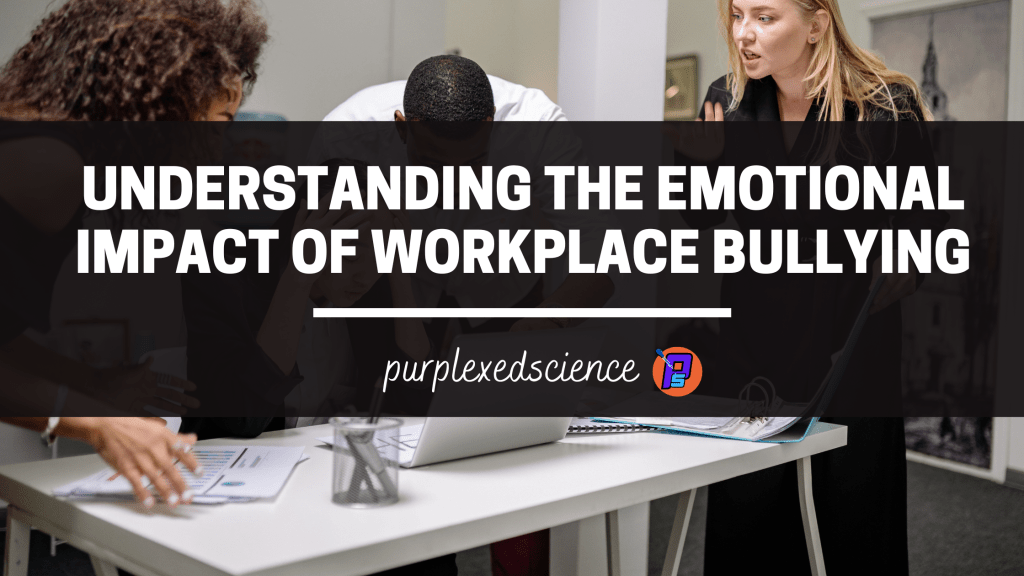


Did you know that 1 in 10 people in the UK have experienced bullying and harassment in the workplace?
When we think of bullying, the first image that probably comes to mind is kids teasing each other at school. Bullying is associated with childhood and adolescence, and it’s expected that we grow out of it by the time we reach adulthood. Unfortunately, some people have other ideas.
In this post, we will explore workplace bullying, why it happens, and the emotional harm it can cause the victim and the people around them. While workplace bullying may seem harmless or a rite of passage, it is an unsafe practice that can have grave consequences. Nobody should be forced to work in a hostile environment. Workplace bullying reduces productivity and morale, leading to an ineffective and mismanaged workforce.
What is workplace bullying?
According to Acas, workplace bullying is:
- unwanted behaviour from a person or group that is either abuse or misuse of power that undermines, humiliates, or causes physical or emotional harm to someone
- offensive, intimidating, malicious or insulting
This behaviour can include and is not limited to:
- verbal abuse
- isolation
- micromanagement
- discrimination
- threatening behaviour
- overloading with work
- public humiliation
How prevalent is workplace bullying?
Roughly 1 in 10 employees have experienced bullying at their jobs and a survey at a trade union in the UK found a third of their members had experienced bullying at work. The most affected were younger employees and women, with Black and Asian people more likely to be targeted.
According to a research article on workplace bullying published in BMC Public Health, the person most likely to carry out the bullying is a line manager or another manager, followed by a colleague. The most common types of abuse were found to be excessive criticism, verbal abuse, and humiliation, and workplace bullying was linked to all known signs of impacted mental health.
The Emotional Impact of Workplace Bullying

Workplace bullying is one of those things that tends to sneak up on you. Perhaps your interactions with a certain colleague do not feel right, but you dismiss it. You tell yourself it’s not a big deal, or worse, you blame yourself. This kind of emotional confusion is part of the impact workplace bullying can have on someone.
It can lead to difficulty concentrating, a lack of motivation, reduced productivity, fatigue, poor sleep and headaches – all of which can impact any workplace by increasing the incidence of sick days. Workplace bullying can also harm mental health and an employee’s self-esteem, increasing their stress and anxiety levels. This not only affects the target of the bullying but the entire team.
How to deal with being bullied at work
The most important thing is to ensure you have a good support system. Whether this is trusted colleagues, friends, or family, it is important you have someone to share your problems with. Avoid confiding in anyone who has ties to the person bullying you, as this may make things worse.
Other things you can do are:
- Document everything: write down times, dates and any witnesses to each instance of bullying
- Enforce boundaries and avoid the person(s) carrying out the bullying as much as you can; do not JADE (justify, argue, defend, or explain).
- Report the person(s) to HR or an appropriate individual
- Take care of yourself
- Seek help if you feel things are getting too much
- If possible, look for new employment elsewhere
What can we do about workplace bullying?
Most companies have an employee code of conduct with guidelines put in place for harassment and bullying. These policies should be followed with a zero-tolerance policy for anyone found to be engaging in such behaviour.
Complaints should be dealt with promptly and fairly. Employers should also promote dignity and respect and provide adequate support for employees who are being bullied. This can be in the form of mental health resources or reasonable adjustments.
Further reading/references:
Harassment and bullying at work | CIPD
Violence in the workplace in the UK: Business and individual-level exposure
7 signs of workplace bullying | Calm
Signs of workplace bullying | PMAC







 Purplexed Science
Leave a comment