
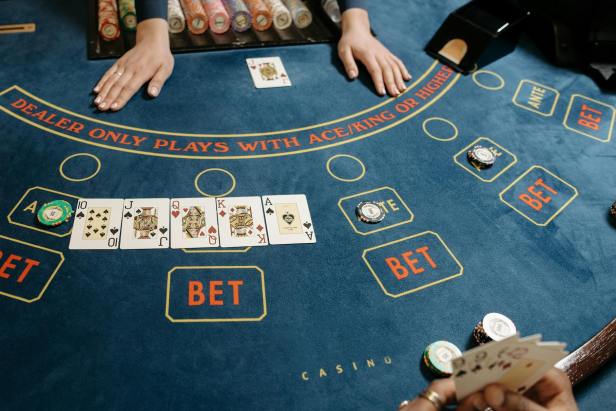
In the past when I thought of gambling, flashing lights and the Vegas strip popped into my mind. Casinos, slot machines, flashing lights and cashing pouring out of machines. Gambling is more prevalent than that, though. From the lottery to scratch cards, it’s everywhere. Any activity you put money in for a chance of cashing out is gambling. Bingo, as harmless as it sounds, is gambling. While gambling can be a fun way to pass the time, it is easy to fall into bad habits.
I am struck by how openly they advertise the betting odds during breaks whenever I watch live football. Before, websites advertised heavily, but now we’re a simple click away from hundreds of apps. It’s disconcerting, especially when you consider the rise of gambling among young people.
Types of gambling:
- lotteries
- instant lotteries
- number games (such as Lotto and Keno),
- sports betting
- horse betting,
- poker and other card games,
- casino table games (such as roulette and craps),
- bingo
- electronic gaming machines (EGMs).
Types of gamblers

According to the Gambling Commission, there are 8 different gambling typologies [Image 1]. Similarly Quit Gamble claims there are 9 types of gamblers.
These include:
- Social Gamblers: they gamble for fun with friends and family and can stop when necessary
- Deadly Serious Social Gambler: someone who loves competing and winning
- Professional Gambler: disciplined and experienced gambler who uses strategy when gambling
- Cautious Gambler: occasionally gambler (e.g. buys a lottery ticket now and then), can be all ages but more common with older people.
- Adrenaline Gambler: someone who loves the thrill and ‘high’ of gambling and winning.
- Dirty Gambler: engages in potential illegal activities
- Online Gambler: gambles online through apps/websites, typically on the go.
- Escape Gambler: gambles as a way of relieving stress and negative emotions
- Compulsive Gambler: someone who cannot control their urge to gamble
Signs that someone has a problem with gambling
While problem gambling is less visible than other addictions, there are signs to look for.
- Frequently thinking about gambling, planning future gambling activities, or reliving past gambling experiences.
- Gambling with larger amounts of money to achieve the same level of excitement.
- Trying to win back lost money by gambling more, causing greater losses.
- Struggling at work, school, or home because of gambling activities.
- Experiencing irritability, restlessness, or anxiety when attempting to cut back or stop gambling.
- Lying about the extent of gambling from family, friends, or professionals.
- Borrowing money or selling possessions to fund gambling.
- Strained relationships with family and friends because of gambling
If you or someone you know exhibits these signs, it may be beneficial to seek professional help.
The effects of gambling on mood
The commonly known effect of gambling is poor financial status, but gambling can have emotional effects as well. In time, this builds up and has catastrophic consequences. The effects include stress, guilt, regret, low mood, and being short-tempered.
Gambling can affect more than one’s bank balance. It can impact relationships, friendships and even work. The person gambling has less time for family and friends. They struggle to concentrate on day-to-day tasks. They also increase alcohol consumption. Gambling can also lead to poor work performance, financial difficulties, shame, anger, anxiety and depression.
How does gambling affect your mood?
First, what is a gambling addiction (also known as problem gambling, compulsive gambling and gambling disorder)? The Mayo Clinic states it is: “the uncontrollable urge to keep gambling despite the toll it takes on your life.”
It can affect people similarly to drugs and alcohol. It impacts the part of the brain that releases a neurotransmitter called dopamine. Dopamine is a hormone that allows us to feel pleasure. If a bet is successful, the brain releases dopamine and the person gambling feels a sense of joy and happiness. With addiction, the effect tapers off. More and more is needed to generate the same buzz as the first time. This can leave the person gambling in a state of distress.
This is an interesting video by the BBC showing the brain of a gambling addict. An MRI exam shows that the anticipation of winning activates the same part of the brain that winning activates. If gambling becomes a habit, it will become addictive – regardless if the gambler is winning or losing.
While gambling changes brain chemistry, it can be reversed, and anyone who struggles should seek help.
How can friends and family best support someone struggling with a gambling problem?

- Talk to them and show compassion and understanding
- It is important not to judge or blame them for the problem
- Explain how their behaviour is affecting other people
- Listen to them
- Offer support
- Get professional help where possible
Final thoughts
A review in the journal Addiction reported that over 10 million people worldwide have sought treatment for gambling addiction (Bijker, 2022). This proves that gambling addiction is growing as a problem. It will continue to grow in the future if nothing is done.
What resources are available for individuals to understand their gambling habits better?
If you think you (or someone you know) have a problem, try this Gambling Self-Assessment Quiz from Responsible Gambling.
For UK Residents:
For everyone else
- International Support Contacts – GamCare
- How To Stop Gambling Addiction
- Check your local health provider
References
- BBC – Brain of a gambling addict
- Bijker R, Booth N, Merkouris SS, Dowling NA, and Rodda SN (2022) Global prevalence of help-seeking for problem gambling: A systematic review and meta-analysis.
- GamCare
- GamCare – Signs of gambling harm
- Gamble Aware
- Gambling Commission – Gambling typologies
- Gambling Help – Effects of gambling
- Gambling Self-Assessment Quiz from Responsible Gambling
- How To Stop Gambling Addiction
- International Support Contacts – GamCare
- Mayo Clinic – Compulsive gambling
- National Gambling Clinic
- Organisations that can help
- What Are the 9 Types of Gamblers?
- What the Gambling Industry Doesn’t Want You To Know | Informer






 Purplexed Science
Leave a comment