
Every October, Black History Month is celebrated in the UK. It was founded by Akyaaba Addai Sebo in 1987. While Black History Month falls in February in the US, it is thought that Sebo picked October because this is when African chiefs gather to settle their differences.
It has been fascinating to learn about the wonderful black researchers and scientists working hard to pave the way forward for people to aspire to be like them. In doing some research, it’s both heartening to see that there are many well-regarded and esteemed Black British scientists and disheartening that the numbers are still low.
Black Women in STEM : Marsha Castello
This was such a great read – especially because I am learning how to code with the hopes of working in Data Analysis. I especially love that Marsha is so actively involved in mentoring young girls. One thing I always reflect on is how there was a lack of one-to-one personal development when I was in education. I stumbled along doing well in classes until I got to the point where I realised I didn’t have a concrete plan. And it’s taken me longer than I’d like to realise that…having a plan is a must. Even if it goes wrong, or doesn’t turn out the way I’d like – nothing gets done unless there is a clear sense of direction.
Other links:
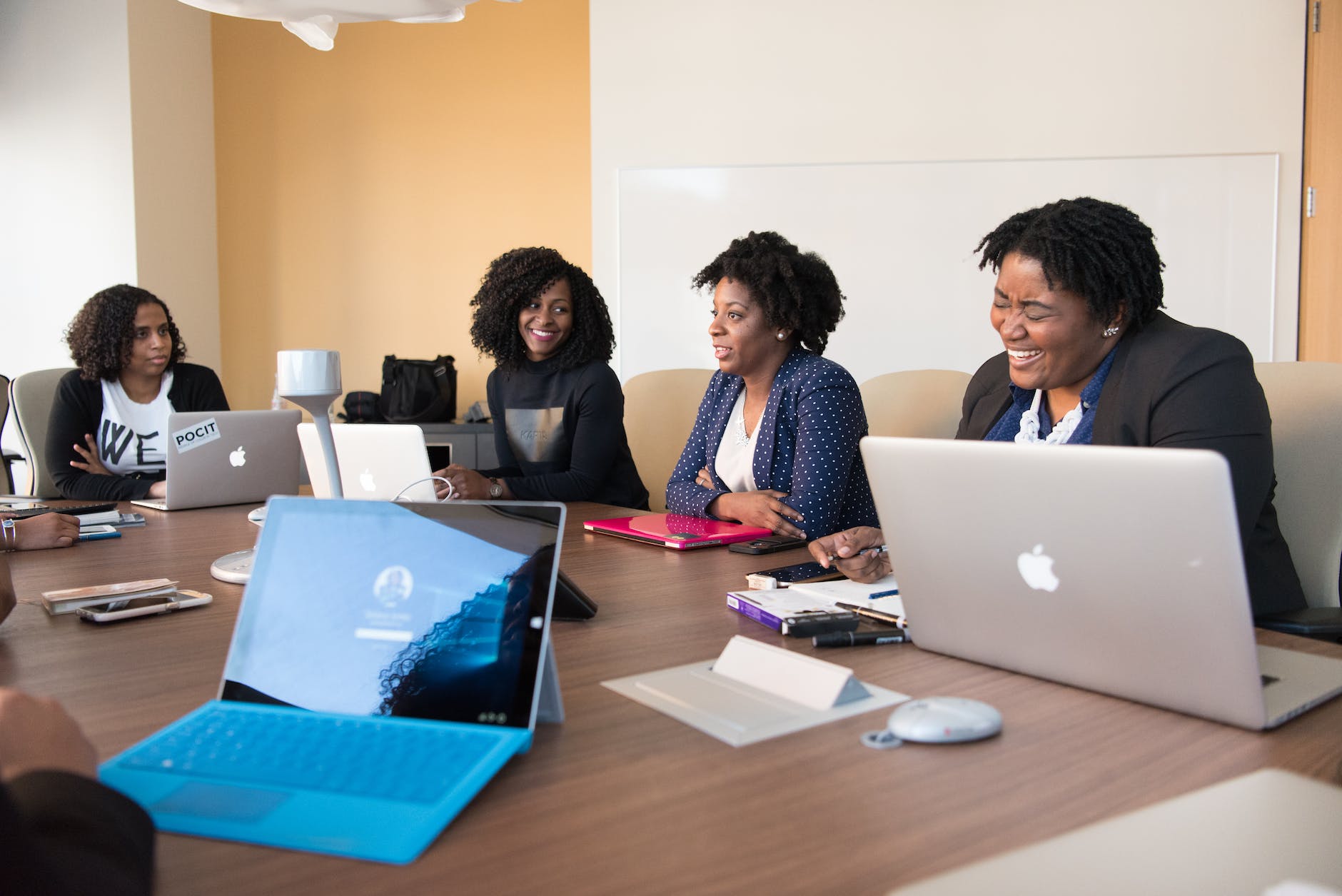
How UK science is failing Black researchers
Why Britain needs more black science professors
This is another interesting article. Some important highlights are:
““I have been a professor of chemistry since 2008,” says Prof Mokaya. “But, officially, I don’t exist.” This is because the Higher Education Statistics Agency (Hesa), which collects the stats, rounds the numbers to the nearest five. “In this case, I am rounded down to zero.”
The Guardian
“It’s complicated. But, most of it, I think, comes from being from a minority group and not knowing what routes are open to you, or having anyone to advocate for you.
Richard Mokoya
“If you’re from a marginalised group, without networks, it is very easy to be put off even if you’re very good.”
The statistics show that the proportion of black people in science drops at every step of the academic ladder, from GCSEs, to A Levels, to undergraduate degrees, postgrads, PhDs, postdoc researchers, and, finally, professors – the most senior academic grade.
The Guardian
Black British women in science
A celebration of Black science






 Purplexed Science
Leave a comment