

A collection of science and health stories from the past week(s).
There is a new COVID variant and it’s a cause for concern

In the last 28-day period (31 July to 27 August 2023), over 1.4 million new COVID-19 cases and over 1800 deaths were reported to WHO, an increase of 38% and a decrease of 50%, respectively, compared to the previous 28 days. As of 27 August 2023, over 770 million confirmed cases and over 6.9 million deaths have been reported globally.
Weekly epidemiological update on COVID-19 – 1 September 2023, World Health Organization.
Another COVID-19 variant called BA 2.86 has been discovered. It is characterized by many mutations, making it less likely to be affected by vaccines and the body’s immune response. Cases have been rising since June, and the UK is ramping up its plans to vaccinate groups considered to be high-risk. More here. (Source: The Guardian/WHO).
Sleep apnea is a risk factor for stroke.

Hundreds of millions of people globally have sleep apnoea, a disorder with symptoms including stopping and starting breathing, making snorting noises, waking up a lot and loud snoring. Many have the condition but are undiagnosed.
The Guardian, Fri 25 Aug 2023
According to researchers in the US, people with sleep apnea are at greater risk of developing atrial fibrillation and having a stroke. Atrial fibrillation is an irregular heart rhythm and strokes occur when the blood supply to the brain is cut off. The study found that people with SA are five times more likely to have AF and sixty percent more likely to have a stroke. Being that so many people are undiagnosed, this is a worrying discovery. More here. (Source: The Guardian/British Heart Foundation)
Paper straws might not be great for the environment.

I’m all for being environmentally friendly, but I must admit I have a love/hate relationship with paper straws. I’m a slow drinker so I am forever fighting to get the last few drops of my frappucinos! I know, I know. It’s a first-world problem.
A study conducted by Belgian researchers and published in Food Additives and Contaminants, found synthetic chemicals in most of the paper straws they tested. The chemicals are called ‘poly- and perfluoroalkyl substances (PFAS) and can cause harm to people, wildlife, and the environment. PFAS break down slowly and contribute to health problems such as thyroid disease and liver damage. The researchers tested 39 different paper straw brands from fast-food restaurants and shops and found PFAS in 90%.
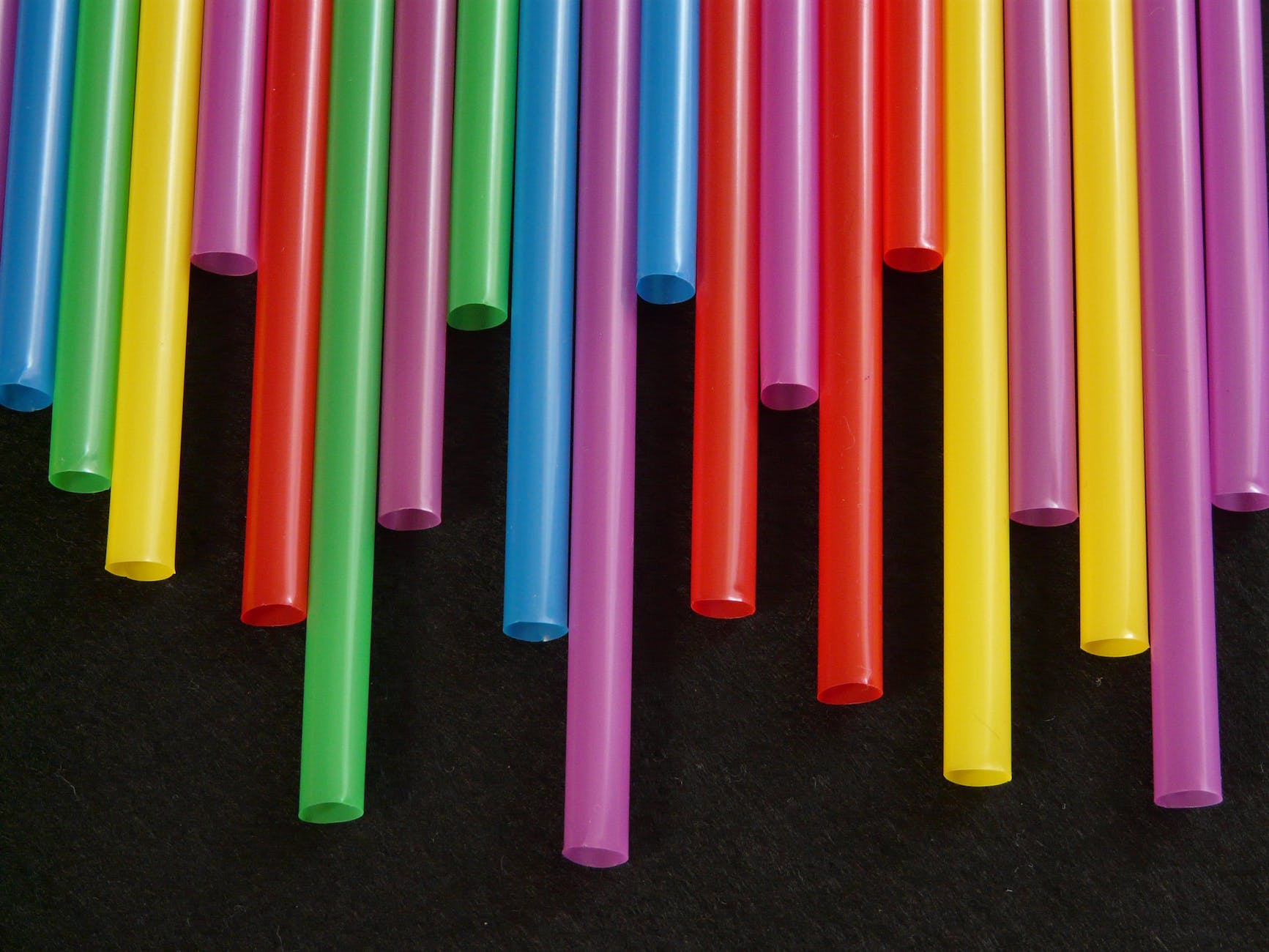
They also looked into other types of straws and found PFAS in:
- 80% of bamboo straws,
- 75% of plastic straws,
- 40% of glass straws
Interestingly enough, no PFAS were found in the steek straws that they tested. It is also worth noting that the PFAS found the most in these straws, perfluorooctanoic acid (PFOA), is banned worldwide.
With single-use plastic banned in many parts of the world because they are not biodegradable, paper straws are considered a safer alternative. Based on this research, it might be time to reconsider how paper straws are developed and manufactured. Read more here. (Source: Science Daily).
A brain implant and AI gave a woman with paralysis the ability to talk
Researchers at UC San Francisco and UC Berkeley have created a ‘brain-computer interface’ allowing a woman with severe paralysis to communicate with other people via a digital avatar. This is such an inspirational video! I always enjoy seeing research applied in a practical and beneficial setting. Read more about this here. (Source: Science Daily).
All images are from Pexels.





 Purplexed Science
Leave a comment