


Welcome to the final post of my short series, 5 Things I’ve Learnt in 2025. We’re officially in 2026, but this last lesson is always applicable!
Don’t be a people pleaser
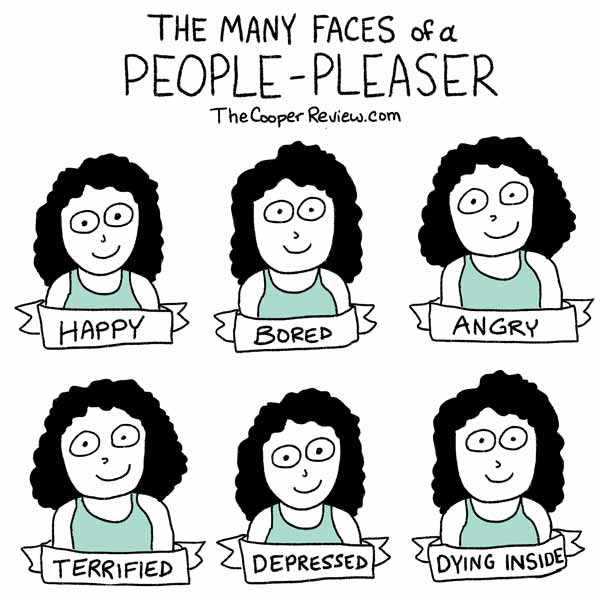
I used to be a typical people pleaser. I would never say no, or if I did, I would feel guilty even if saying yes would hurt me. In many cases, I didn’t feel safe enough to refuse to do things. People commented on how much ‘patience’ I had when, in reality, I was constantly stuck trying to keep the peace.
This excerpt from Greater Good Magazine sums up people-pleasing well:
Pleasing people, in my extensive personal experience, is a process of guessing what other people want, or what will make them think favorably of us, and then acting accordingly. It’s an often subtle and usually unconscious attempt at manipulating other people’s perceptions of us. Anytime we pretend to be or feel something that we aren’t, we’re out of integrity with ourselves.
People-pleasing is the fear of letting our friends, family or colleagues down. The idea is that being agreeable will prevent disagreements and ensure everyone likes us.
However, I found that people treated me considerably worse while I was in people-pleasing mode. Perhaps they sensed something was off. I’m still dealing with rudeness, unfairness, and harshness now that I’m no longer trying to please everyone, but dare I say that there is also a respectful side to it?
Unfortunately, niceness isn’t the social currency it should be. Others take advantage of kindness, and when you realise this and try to correct the situation, you’re left with either someone who respects your boundaries or someone who believes they can mistreat you and get away with it.
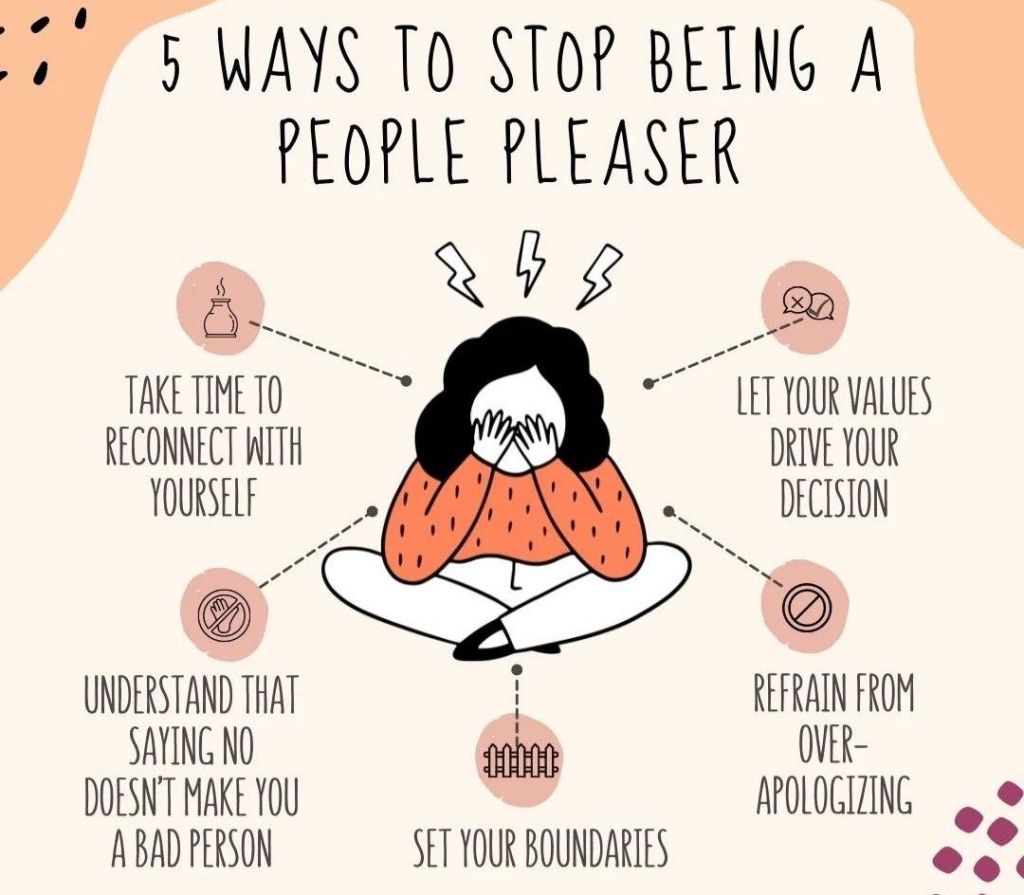
| The effects of being a people pleaser | How not to be a people pleaser |
|---|---|
| Poor boundaries | Set clear boundaries |
| Chronic stress | Work on your inner self |
| Low self-esteem | Stand up for yourself and do not apologise for saying no |
| Struggling to make decisions | Take time to make decisions and learn how to say no |
Why do we people-please?
People-pleasing has its roots in childhood. When a child receives praise for being obedient, it is processed as a desirable outcome and followed by fear that any kind of insubordination will lead to punishment. Children who grew up in strict, authoritarian households usually do not know when they’ll face their parents’ wrath, and they do everything they can to avoid being on the receiving end. This attitude persists well into adulthood, where they often face the same problems, typically in dynamics where the other person holds some authority (such as their bosses, religious leaders, or, in some cases, their spouses).
Some cultures view people-pleasing as a sign of respect, and it ultimately becomes a form of social and familial currency. People cater to their families’ wants and needs simply because saying no is a sign of disrespect. Having agency is nonexistent in these dynamics.
Why you shouldn’t people please
The other side of people-pleasing is that it isn’t fair to others. Most of us aren’t very good at hiding how we feel. This lack of authenticity can hurt others. If we are constantly pretending we are okay when we’re not, it makes us seem untrustworthy or like we don’t trust the people around us.
People-pleasing also takes energy that could be better spent elsewhere.
To sum up, instead of people-pleasing, do your best to stay true to yourself. If you want to say no, go for it. Most people will respect you more if you’re honest – and taking ownership of what you do is a guaranteed mood booster.
Never attempt to please everybody; it’s simply impossible.
Bangambiki Habyarimana, Book of Wisdom
Further reading:
- People Pleaser
- People Pleasing: Understanding the Roots and Consequences
- Why It Doesn’t Pay to Be a People Pleaser






 Purplexed Science

Leave a comment